
How TenXPR Made the
Fearless Fund a Household
Name
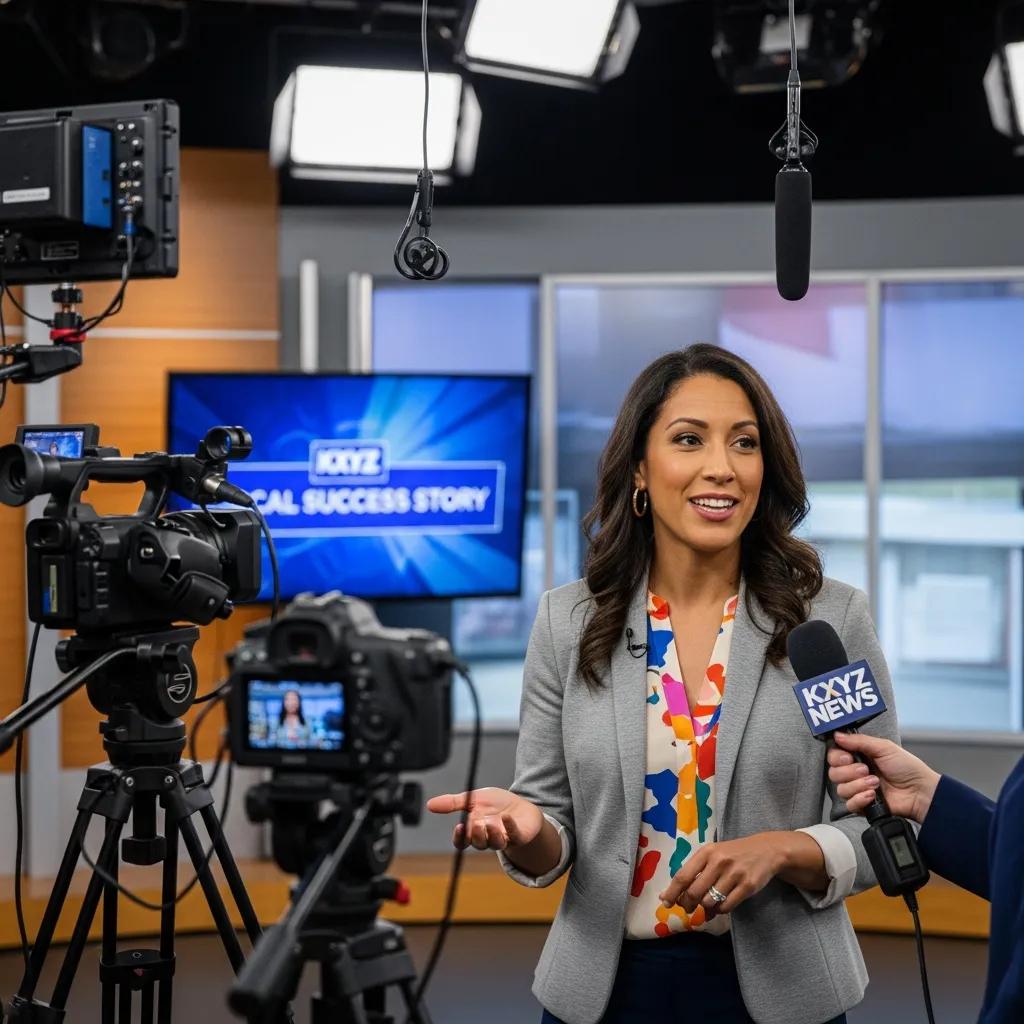
Broadcast PR Strategies for Small Businesses
Broadcast PR Strategies for Small Businesses

In today's competitive landscape, small businesses must leverage effective public relations strategies to enhance their visibility and credibility. Broadcast PR, particularly through local media, offers a powerful avenue for small businesses to connect with their target audience. This article will explore various broadcast PR strategies tailored for small businesses, focusing on how they can effectively engage with local media, craft compelling pitches, and prepare for impactful interviews. By understanding these strategies, small businesses can elevate their brand presence and drive growth.
Effective broadcast PR strategies for small businesses
Small businesses can implement several effective broadcast PR strategies to enhance their media presence. These strategies include:
- Crafting Newsworthy Pitches: Small businesses should focus on creating pitches that highlight unique stories or community involvement, making them more appealing to local media outlets.
- Mastering On-Camera Presence: Training in media presentation can significantly improve how business representatives convey their messages during interviews.
- Building Media Relationships: Establishing and nurturing relationships with local journalists and media personnel can lead to more frequent coverage and positive media interactions.
TENXPR specializes in delivering broadcast public relations strategies tailored for small businesses, startups, and local enterprises. By securing media exposure on local TV and broadcast channels, TENXPR helps elevate brand visibility and credibility.
How Can Small Businesses Effectively Conduct Local Media Outreach?

To effectively conduct local media outreach, small businesses should consider the following methods:
- Researching Media Outlets: Understanding which local media outlets align with their target audience is crucial for effective outreach.
- Preparing for Interviews: Small businesses should prepare key messages and anticipate questions to ensure they communicate effectively during media interactions.
- Utilizing Visual Content: Incorporating visual elements, such as images or videos, can enhance the appeal of their stories to media outlets.
By employing these strategies, small businesses can create a more engaging narrative that resonates with local media and their audience.
Understanding the unique challenges and strategies of local media outlets, particularly in smaller markets, further illuminates the landscape small businesses navigate for effective outreach.
Local Media Strategies for Small Businesses
Small rural media outlets are key sources of information, provide a site for local advertising, and are an important local voice in their communities. This paper examines how small market rural media are trying to survive under tough economic conditions, and how they are using new media as part of their strategy to remain viable. Interviews were conducted with managers at several small market newspapers, television, and radio groups in order to identify specific concerns and strategies about how they are managing their resources, how they are using new media, and how they envision their future. The results show that most media are struggling, but also find that local media are in a good position to make their new media content viable for their local audiences.
Adapting small market rural media to the challenges of new media: interviews with small market rural managers, 2010
What Are Proven Techniques for Engaging Local TV Stations?
Engaging local TV stations requires specific techniques that can enhance a small business's chances of getting coverage:
- Building Relationships: Establishing rapport with local TV producers and journalists can lead to more opportunities for coverage.
- Crafting Tailored Pitches: Pitches should be customized to fit the interests of specific TV stations, highlighting why the story is relevant to their audience.
- Follow-Up Strategies: After sending a pitch, following up with a phone call or email can help keep the story top of mind for producers.
These techniques can significantly improve a small business's visibility on local television.
Indeed, the foundation of successful public relations, especially in broadcast media, often lies in cultivating strong, strategic relationships with journalists and media institutions.
Building Media Relationships for PR Success
Building relationships with the media is very important for public relations practitioners. Their success in carrying out PR tasks in order to reach the attention of audiences is largely determined by their understanding of strategies for building relations with the media as well as the intelligence and tactics of public relations practitioners in building relationships with media. Good relations with the mass media are built using the right communication strategy, namely the method used for smooth communication between public relations and the mass media. The good relations referred to here are good relations with media institutions and between public relations and journalists. A good relationship with the mass media is very important for public relations. Like an army going out to battle, he needs understanding and mastery of war strategy. Likewise with public relations practitioners, for the success of publicity, also requires understanding and mastery of strategies t
Strategies To Build Relationships With The Media, 2023
What Are the Best Media Pitching Strategies to Gain Broadcast Publicity for Startups?
Startups can benefit from specific media pitching strategies to gain broadcast publicity:
- Highlighting Newsworthiness: Startups should emphasize what makes their story unique or timely to capture media interest.
- Leveraging Case Studies: Sharing success stories or testimonials can provide compelling evidence of the startup's impact.
- Understanding Producer Needs: Knowing what local producers are looking for can help tailor pitches that meet their requirements.
By focusing on these strategies, startups can enhance their chances of gaining valuable media coverage.
How to Craft Compelling Broadcast Press Releases That Convert?
Crafting effective broadcast press releases is essential for gaining media attention. Key elements include:
- Structure of Press Releases: A well-structured press release should include a catchy headline, a strong lead paragraph, and relevant details that follow.
- Identifying Local Angles: Highlighting how the news impacts the local community can make the release more appealing to local media.
- Personalizing Outreach: Tailoring the press release to the specific media outlet can increase the likelihood of coverage.
These guidelines can help small businesses create press releases that resonate with media outlets.
Which Storytelling Approaches Resonate with Broadcast Audiences?
Effective storytelling is crucial for engaging broadcast audiences. Small businesses should consider the following approaches:
- Authentic Narratives: Sharing genuine stories about the business's journey can create a deeper connection with the audience.
- Visual Storytelling: Utilizing visuals, such as videos or infographics, can enhance the storytelling experience and make it more memorable.
- Data-Driven Insights: Incorporating relevant statistics or research can add credibility to the story and engage the audience's interest.
By employing these storytelling techniques, small businesses can create compelling narratives that resonate with broadcast audiences.
How Should Small Businesses Prepare for TV Interviews to Maximize Media Exposure?

Preparation is key for small businesses looking to maximize their media exposure during TV interviews. Important steps include:
- Defining Key Messages: Clearly outlining the main points to communicate ensures that the interview stays focused and impactful.
- Conducting Mock Interviews: Practicing with mock interviews can help business representatives become more comfortable and confident on camera.
- Anticipating Questions: Preparing for potential questions can help businesses respond effectively and maintain control of the interview.
These preparation strategies can significantly enhance a small business's performance during TV interviews.
What Are Key Tips for Confident and Impactful Broadcast Interviews?
To conduct confident and impactful broadcast interviews, small businesses should follow these tips:
- Preparation Strategies: Thorough preparation can help business representatives feel more at ease and articulate during interviews.
- Handling Tough Questions: Developing strategies for addressing challenging questions can help maintain composure and credibility.
- Feedback and Improvement: After interviews, seeking feedback can provide insights for future improvements and enhance overall performance.
Implementing these tips can lead to more successful media interactions.
How Can Small Businesses Measure the Success of Their Broadcast PR Campaigns?
Measuring the success of broadcast PR campaigns is essential for understanding their impact. Key methods include:
- Key Performance Indicators: Identifying specific metrics, such as media mentions or audience reach, can help assess campaign effectiveness.
- Audience Interaction Metrics: Analyzing engagement levels, such as social media shares or comments, can provide insights into audience reception.
- Sales Improvements: Tracking changes in sales or inquiries following media coverage can help determine the campaign's overall success.
By focusing on these metrics, small businesses can evaluate the effectiveness of their broadcast PR efforts.
Which Metrics Demonstrate Effective Local TV Media Coverage?
To evaluate local TV media coverage, small businesses should consider the following metrics:
- Viewer Reach: Understanding how many viewers were exposed to the coverage can provide insights into its impact.
- Direct Inquiries: Tracking the number of inquiries or leads generated from the coverage can help assess its effectiveness.
- Sales Uplift: Measuring any increase in sales following media coverage can indicate the campaign's success.
These metrics can help small businesses gauge the effectiveness of their local TV media coverage.

At TENXPR, our mission is to
execute all of our available
resources, knowledge, expertise,
and team collaboration to create
a powerful story and visibility for
your brand.
Links


