
How TenXPR Made the
Fearless Fund a Household
Name
Using Social Platforms to Tell Your Story
Craft Your Story for PR Success
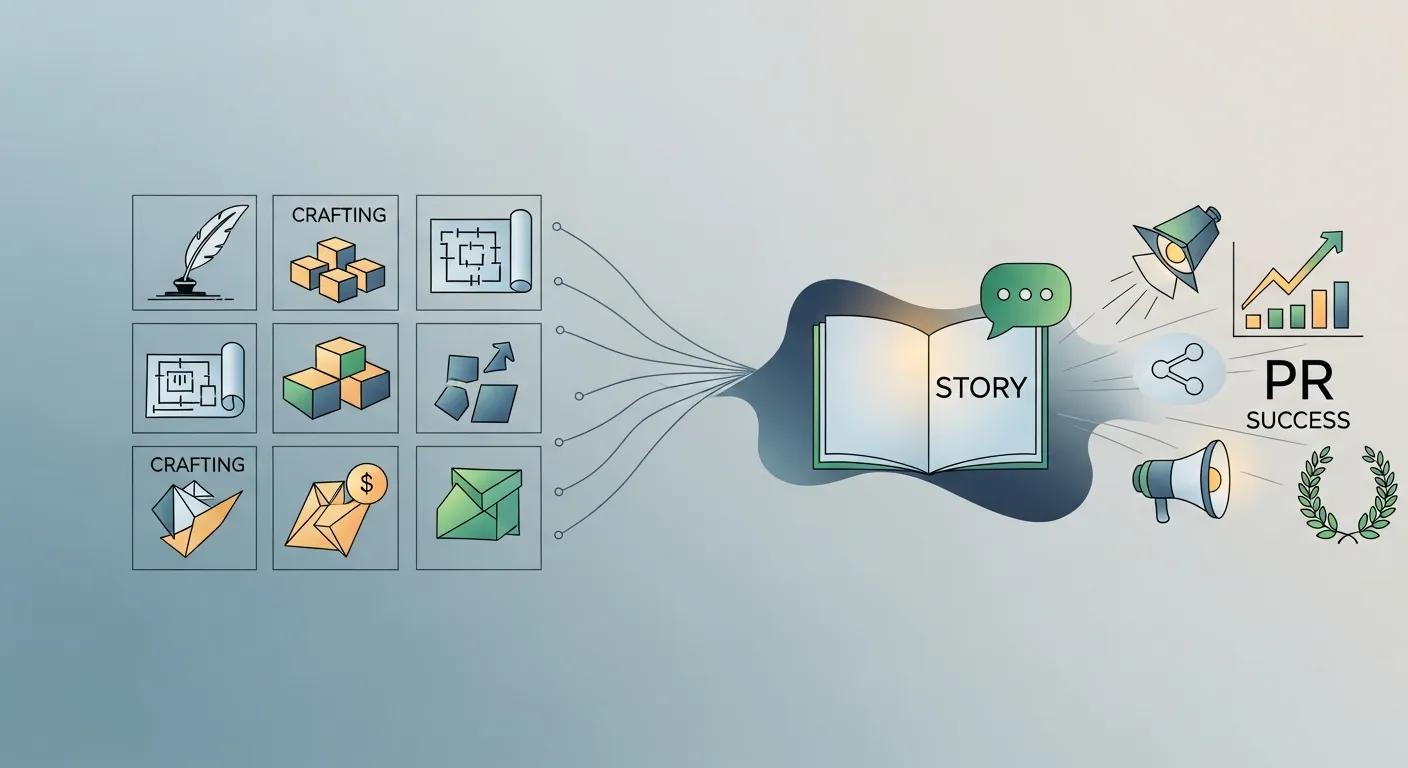
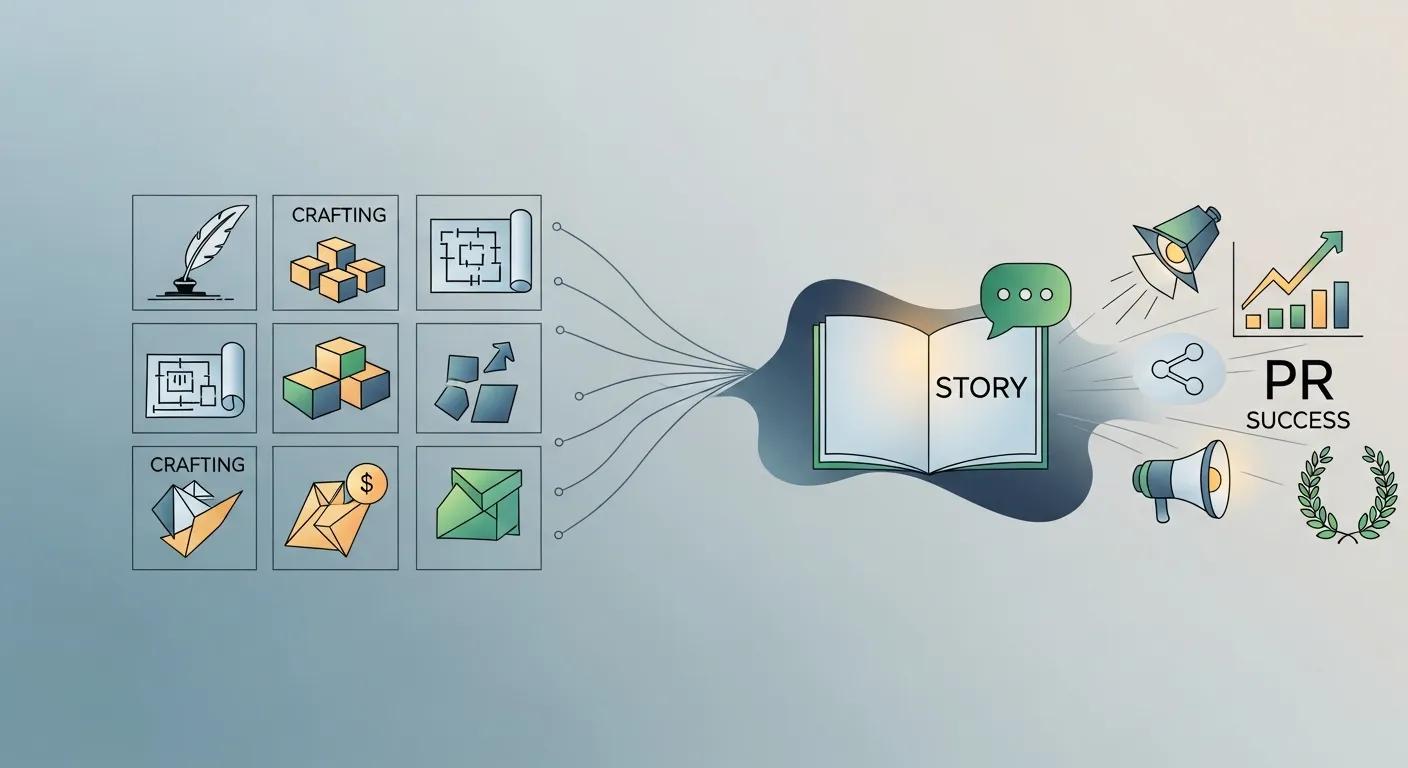
Social platforms are the public staging ground where executives, authors, and experts shape narratives that producers and journalists use to find TV-ready voices. This guide explains how social media storytelling connects directly to broadcast PR by increasing discoverability, signaling credibility through engagement, and supplying producers with ready-made clips and soundbites that speed booking decisions. You will learn platform-specific tactics, an actionable pre/during/post-TV checklist, reputation and crisis guidance tailored for on-air guests, and how to use social content to amplify earned media after a placement. The article maps practical steps for LinkedIn, Instagram, X, YouTube, and TikTok, offers checklists and EAV tables for quick reference, and explains how media training and clip repurposing turn a single TV segment into lasting visibility. Throughout, expect concrete tactics that help CEOs, founders, authors, and subject-matter experts translate social authority into broadcast opportunities and measurable outcomes.
How Can Social Media Storytelling Boost Your Broadcast PR Visibility?
Social media storytelling boosts broadcast PR visibility by surfacing expertise through consistent narratives, video examples, and engagement metrics that producers use as credibility signals. The mechanism is straightforward: public posts and video clips demonstrate on-camera presence and topical authority, while engagement (shares, comments, saves) serves as audience proof that a guest can move or inform a viewer base. Short-form video and well-structured posts create immediate samples producers can screen, reducing friction in guest selection and increasing the likelihood of earned media placement. Recent trends show journalists routinely vet potential guests on social platforms, treating social content as a modern showreel that complements press mentions and bio lines.
This section outlines the benefits and metrics producers care about, and then explores authenticity and current platform trends that shape what producers look for next.
The effective use of social media for public relations involves digital storytelling and the sharing of content that engages the target audience.
Social Media for PR: Digital Storytelling and Content Sharing
The effective use of social media for public relations. In their practices: social media campaigns employ digital storytelling and the sharing of content; these stories involve members of the target audience.
Social media for public relations: Lessons from four effective cases, I Allagui, 2016
Lionized authenticity and topical relevance produce stronger producer interest, so the next subsection explains why authenticity matters in social storytelling for TV.
Why Is Authenticity Key in Social Media Storytelling for TV?
Authenticity matters because television values relatability and clear narrative arcs that engage viewers within a short segment. When executives and experts post candid, focused stories—mixing personal context with data-driven commentary—producers can more easily see how that voice will perform on camera and connect with viewers. Tactics to show authenticity include sharing behind-the-scenes preparation, brief personal anecdotes that humanize complex topics, and concise POV posts that clarify an expert stance without jargon. These approaches build trust and make a social profile a reliable shortcut for producers evaluating tone and fit.
Practically, authenticity should be disciplined: consistent messaging, controlled vulnerability, and repeatable soundbites that translate into on-air moments, which leads into the next subsection on trends shaping those soundbites.
What Are the Latest Trends in Social Media That Impact Broadcast PR?
Current trends influencing broadcast PR include the dominance of short-form video, widespread second-screen viewing behavior, growth in user-generated content as credibility signals, and increased journalist use of social listening for story leads. Short-form video allows experts to demonstrate camera presence in 15–60 second clips producers can test quickly, while second-screen engagement amplifies live segments through immediate social feedback. Journalists and producers monitor trending conversations and niche communities to identify timely voices, meaning timely, concise commentary on breaking topics increases booking potential. Adapting content to these trends—by prioritizing clip-ready moments, searchable captions, and UGC-friendly formats—directly aligns social storytelling with producer discovery practices.
These trend-driven tactics naturally suggest which platforms to prioritize, which the next section will cover in detail.
Which Social Platforms Are Best for Securing TV Appearances?
Different social platforms play distinct roles in securing TV appearances because each surfaces different types of proof producers value. LinkedIn signals executive thought leadership and professional credibility, Instagram provides visual proof and polished clips, X offers real-time commentary for news cycles, YouTube demonstrates long-form expertise and on-camera endurance, and TikTok shows personality, reach, and viral potential. Choosing platforms should be strategic: executives aiming for expert commentary prioritize LinkedIn and YouTube, while commentators on cultural or trending topics may prioritize X and TikTok. Below is a compact comparison to help teams decide where to invest content effort based on producer-facing value.
| Platform | Strength for Broadcast PR | Best Content Type | Example Use Case |
|---|---|---|---|
| Signals authority to business producers | Long-form posts, newsletters, POV videos | CEO thought leadership pieces for morning business shows | |
| Visual proof and polished clips | Reels, Stories, Highlights | Journalist samples of on-camera presence and B-roll | |
| X | Real-time engagement in news cycles | Short commentary, threads | Quick expert takes during breaking news that producers monitor |
| YouTube | Long-form evidence of expertise | Full talks, showreels, interviews | In-depth demos and panels producers use to assess depth |
| TikTok | Reach and personality for mass audiences | Short, personality-driven clips | Viral moments that demonstrate charisma for lifestyle segments |
How Does LinkedIn Position CEOs and Experts for TV Opportunities?
LinkedIn positions CEOs and experts for TV by concentrating professional credibility, earned media highlights, and topical commentary in a single searchable profile that producers consult. Optimizing a headline to include media-ready descriptors, pinning recent TV clips or published articles, and publishing long-form posts that lay out a clear POV create a visible record of expertise producers trust. Tactical steps include updating the profile media section with short clips, using newsletters to serialize topical commentary, and leveraging mutual connections to obtain producer introductions. This combination makes it easier for a producer to validate expertise, find relevant soundbites, and request a booking—all while protecting consistent messaging.
How Can Instagram Enhance Visual Storytelling for Broadcast Interviews?
Instagram enhances visual storytelling by creating a polished, accessible portfolio of short clips, behind-the-scenes footage, and highlights that producers can scan for visual fit. Reels and Stories offer soundbite-sized moments, while Highlights act as a quick media kit that aggregates TV-ready clips, B-roll, and professional headshots. Best practices include captioning for discoverability, framing clips with consistent lighting and audio, and saving tethered “media” Highlights that producers can preview without scrolling. Visual consistency and purpose-built clip lengths make Instagram an efficient way to demonstrate how a guest will look and perform on camera.
What Role Does X Play in Real-Time Media Engagement?
X functions as the real-time signal fire for producers monitoring breaking stories and expert commentary, offering fast dissemination and direct journalist engagement. Concise, timely takes that add context to a developing story can attract producer attention and generate invitations to appear live. Best practices for X include focusing on concise authority, tagging relevant journalists sparingly, and tracking trending hashtags to insert helpful commentary. Users should balance timeliness with tone—quick reactions are valuable, but off-the-cuff posts carry reputational risk that can affect booking decisions.
How Do YouTube and TikTok Build Personal Brands for TV Exposure?
YouTube and TikTok build personal brands for TV by demonstrating both depth and charisma: YouTube offers long-form proof of expertise, pacing, and presence, while TikTok reveals personality and the ability to hold attention in short formats. A YouTube channel with polished interviews, demos, or explainers becomes a showreel that producers use to evaluate stamina and subject mastery. TikTok provides viral moments and candid clips that show relatability and spontaneity—qualities producers value for lifestyle and human-interest segments. Cross-posting clips and packaging both long- and short-form videos allows teams to offer producers multiple sampling options from the same content strategy.
How Do You Maximize Your TV Appearance Using Social Media?
Maximizing a TV appearance requires coordinated pre-, during-, and post-appearance social tactics that prime audiences, assist producers, and extend earned media reach. Before a segment, teams should prepare shareable soundbites, update bios and pinned posts, and schedule audience-teasing posts to boost live viewership. During the segment, coordinated live posting—such as live tweets or simultaneous platform updates—and an assigned amplification role for team members captures second-screen attention. After the appearance, repurposing clips into platform-specific formats, adding captions and context, and measuring outcomes (mentions, traffic, inquiries) turn a one-off placement into lasting credibility and leads.
Below is an actionable EAV-style checklist that producers and PR teams find easy to scan and implement when preparing for broadcast opportunities.
| Stage (Before/During/After) | Action | Outcome / KPI |
|---|---|---|
| Before | Prepare 3–5 soundbites and pin a media-ready post | Faster booking and clearer producer materials |
| During | Coordinate simultaneous posts and live engagement | Increased live viewership and social traction |
| After | Clip, caption, and post 15–60s excerpts across platforms | Extended reach, measured by shares and inquiries |
What Social Media Steps Should You Take Before Your TV Segment?
Before a TV segment, prepare a short public-facing media kit on social platforms, craft one-line soundbites for producers, and schedule audience-teasing posts that raise live interest. Update social bios to reflect the upcoming appearance, pin a post summarizing talking points, and assemble 15–30 second clips that producers can preview quickly. A simple template for an announcement post—headline, time/date, value proposition, and CTA to tune in—makes promotion efficient and repeatable. These preparatory steps reduce friction for producers and increase the odds that viewers will find and engage with the segment once it airs.
(Brief tactical note: TenXPR often pairs this prep with media-training drills and clip packaging to ensure soundbites are both TV-ready and repurposable, creating stronger post-air outcomes.)
How Can Live Social Engagement Enhance Your TV Interview Impact?
Live social engagement enhances impact by capturing second-screen viewers and extending conversation beyond the broadcast window through moderated interaction and immediate context. Tactics include live-tweeting key moments with timestamped clips, hosting an immediate post-segment Live to answer audience questions, and assigning team roles for comment moderation and amplification. Teams should prepare a short amplification playbook: who posts, which channels, and how to escalate notable audience questions for follow-up content. Immediate engagement converts passive viewers into active followers and provides data producers use to assess audience resonance.
Coordinated live engagement also feeds directly into the repurposing workflow that maximizes earned media value after the segment.
How Do You Repurpose TV Clips to Amplify Earned Media on Social Platforms?
Repurposing TV clips involves extracting concise 15–30 second soundbites with captions for Reels/Shorts/TikTok, creating a slightly longer clip for YouTube with contextual intro, and posting a professional still or quote on LinkedIn to drive professional inquiries. Best practices include subtitling for accessibility, adding a brief explainer caption for context, and batching multiple platform versions to fit native formats. A consistent tagging and captioning strategy increases discoverability and helps build a searchable archive for future producer reference. Measuring repurposed clip performance—views, shares, referral traffic, and inbound media inquiries—quantifies the return on earned media investment.
TenXPR applies disciplined clip workflows and media-training feedback loops to ensure repurposed assets meet producer expectations and audience preferences.
How Does Social Media Build and Protect Your Credibility for Broadcast PR?
Social media builds and protects credibility by creating a consistent public record of expertise while offering channels for rapid correction and transparent communication during reputation events. Ongoing reputation management includes consistent messaging across platforms, amplifying authoritative coverage, performing periodic social audits, and quickly addressing misinformation with factual updates. Establishing approval workflows and spokesperson protocols ensures that public responses are timely, accurate, and coordinated with any legal or producer communications. This combined approach strengthens trust with producers who prefer guests with predictable messaging and a clear crisis plan.
The following subsections provide a practical audit checklist and a concise crisis communication flow tailored for executives preparing for TV exposure.
What Are Best Practices for Online Reputation Management on Social Platforms?
Best practices include conducting regular social audits to remove conflicting messages, pinning authoritative coverage and credentials, maintaining a consistent professional tone, and monitoring mentions to detect potential issues early. An audit checklist should cover profile headlines, pinned posts, media galleries, and recent commentary to ensure alignment with current positioning. Teams should schedule quarterly reviews and create a content calendar that preserves narrative consistency across platforms. These measures reduce surprises for producers and make an executive's social presence a reliable resource when urgent bookings arise.
A robust audit process naturally supports crisis readiness, which is addressed in the next subsection.
How Can Crisis Communication on Social Media Safeguard Your TV Credibility?
Crisis communication safeguards TV credibility by enabling swift, transparent responses that correct the record while demonstrating accountability and control. Establishing an approval workflow that designates a spokesperson, outlines legal and PR sign-offs, and provides templated statement language speeds response time. Templates should be concise, factual, and include next steps for stakeholders, while social updates must be coordinated with producers if a segment is imminent. Clear protocols reduce reputational spillover and protect both on-air opportunities and longer-term credibility.
After explaining crisis workflows, it’s natural to show how an experienced broadcast PR partner operationalizes these reputation safeguards for high-profile clients.
Social Media and Digital Broadcasting: Enhancing PR Through Storytelling and Engagement
In the realm of PR, digital broadcasting provides unique opportunities for brand storytelling and audience engagement. PR professionals can leverage streaming platforms and social media channels to create authentic, real-time interactions with audiences, enhancing brand credibility. Digital broadcasting allows for more dynamic and multimedia-rich content, such as live video interviews, webinars, and behind-the-scenes footage, all of which can strengthen brand reputation and reach wider audiences in more meaningful ways.
THE CONVERGENCE OF PR, ADVERTISING, AND SOCIAL MEDIA IN DIGITAL BROADCASTING: OPPORTUNITIES AND CHALLENGES, K Longani, 2024
(Integration note: TenXPR leverages its broadcast experience to combine media training and online reputation management, helping clients present consistent narratives and execute rapid responses that maintain producer confidence.)
What Is TenXPR’s Expert Approach to Using Social Platforms for Broadcast PR?
TenXPR approaches social platforms for broadcast PR with a concise five-step process designed to prepare high-profile guests for earned media and maximize subsequent amplification. The process begins with discovery to clarify vision and message, moves to practical content creation to "share your stuff," then advances to targeted pitching that connects narratives to producer needs. Preparation and readiness ensure on-camera performance, and focused media training polishes delivery and risk management. This client-focused workflow turns social assets into producer-ready materials and creates measurable opportunities for TV placements.
| Step | Activity | Client Benefit |
|---|---|---|
| Discover Vision | Clarify narrative and target topics | Clear pitch angles that resonate with producers |
| Share Your Stuff | Create media-ready posts and clips | Immediate producer samples and audition material |
| We Pitch You | Targeted outreach to producers | Higher-quality placements aligned with message |
| Be Prepared and Ready | Prep logistics and update bios | Smooth bookings and consistent public presence |
| Media Training | On-camera rehearsal and messaging drills | Confident on-air delivery and reduced risk |
How Does TenXPR’s 5-Step Process Prepare Clients for Socially-Driven TV Success?
TenXPR’s five-step process links each activity to measurable outcomes: clarifying vision aligns pitch angles with network needs, packaging content supplies producers with shareable clips, targeted pitching increases placement rate, readiness work minimizes scheduling friction, and media training ensures on-camera clarity and safety. Each step reduces producer uncertainty by delivering consistent messaging, polished visuals, and demonstrable social traction. For high-profile clients, this method both preserves reputation and amplifies placement ROI by creating a repeatable system for turning single appearances into multi-platform campaigns.
Why Does Samantha Jacobson’s Broadcast PR Experience Matter for Social Media Strategy?
Samantha Jacobson’s broadcast PR experience matters because insider knowledge of producer workflows and editorial priorities shapes how social content is created and pitched. Understanding what producers scan for—concise résumés, clip-ready moments, topical timeliness—allows strategy to prioritize assets that reduce friction during booking decisions. That perspective informs media training, content packaging, and the cadence of outreach, ensuring that social storytelling maps directly to broadcast timetables and network expectations. The result is a social-driven PR strategy that aligns creative storytelling with the practical needs of television production.
(Commercial CTA: Executives and experts seeking to convert social authority into broadcast opportunities can book a consultation call with TenXPR to assess placement readiness, messaging, and a tailored social amplification plan.)
What Are Common Questions About Using Social Media for TV Appearances?
Executives commonly ask how social media directly helps secure TV appearances, which platforms to prioritize, and how TV placements compound brand credibility when amplified online. Short, actionable answers help teams and individuals prioritize effort and demonstrate quick wins producers care about. The following Q&A style responses give concise guidance and tactical examples to support discovery and conversion decisions.
How Can Social Media Help Me Get on TV?
Social media helps by providing discoverable proof of expertise and offering producers immediate clips and angles they can use in a segment, effectively functioning as an on-demand audition reel. Two quick tactics are to post short, topical clips that answer common questions in your field and to pin a recent media-ready post that producers can use to evaluate fit. These steps make it easier for producers to find and vet potential guests without sifting through long dossiers. Clear, searchable content increases the probability of inbound producer outreach and invitations.
This direct value proposition leads to deciding which platforms to focus on, addressed next.
Which Social Media Platforms Are Most Effective for Broadcast PR?
A prioritized platform list helps allocate effort: LinkedIn for executive thought leadership, Instagram for visual and clip-ready proof, X for real-time topical commentary, YouTube for long-form expert portfolios, and TikTok for high-reach, personality-driven moments. Each platform serves a complementary role—some prove depth, others prove charisma or timeliness—so a multi-platform strategy covers both credibility and reach. Choose primary platforms based on the type of TV segments you pursue: business news, lifestyle, breaking news, or long-form interviews.
With the platform strategy set, the final FAQ explains how TV placements compound brand credibility when amplified on social platforms.
How Does Earned Media on TV Build Brand Credibility Through Social Media?
Earned TV media builds credibility by providing third-party validation that, when repurposed on social platforms, becomes social proof that increases trust and drives measurable outcomes such as referral traffic and inquiries. The compounding flow is straightforward: a TV appearance provides a trusted signal → clips and quotes distributed on social increase visibility → audience engagement and shares amplify trust → measurable increases in site traffic, mentions, and inbound opportunities occur. Tracking these metrics closes the loop and demonstrates the business value of both the TV placement and its social amplification.
This explanation underscores why an integrated broadcast PR and social strategy—backed by media training and clip repurposing—is essential for executives aiming to convert visibility into credibility and tangible leads.

At TENXPR, our mission is to
execute all of our available
resources, knowledge, expertise,
and team collaboration to create
a powerful story and visibility for
your brand.
Links


