
How TenXPR Made the
Fearless Fund a Household
Name
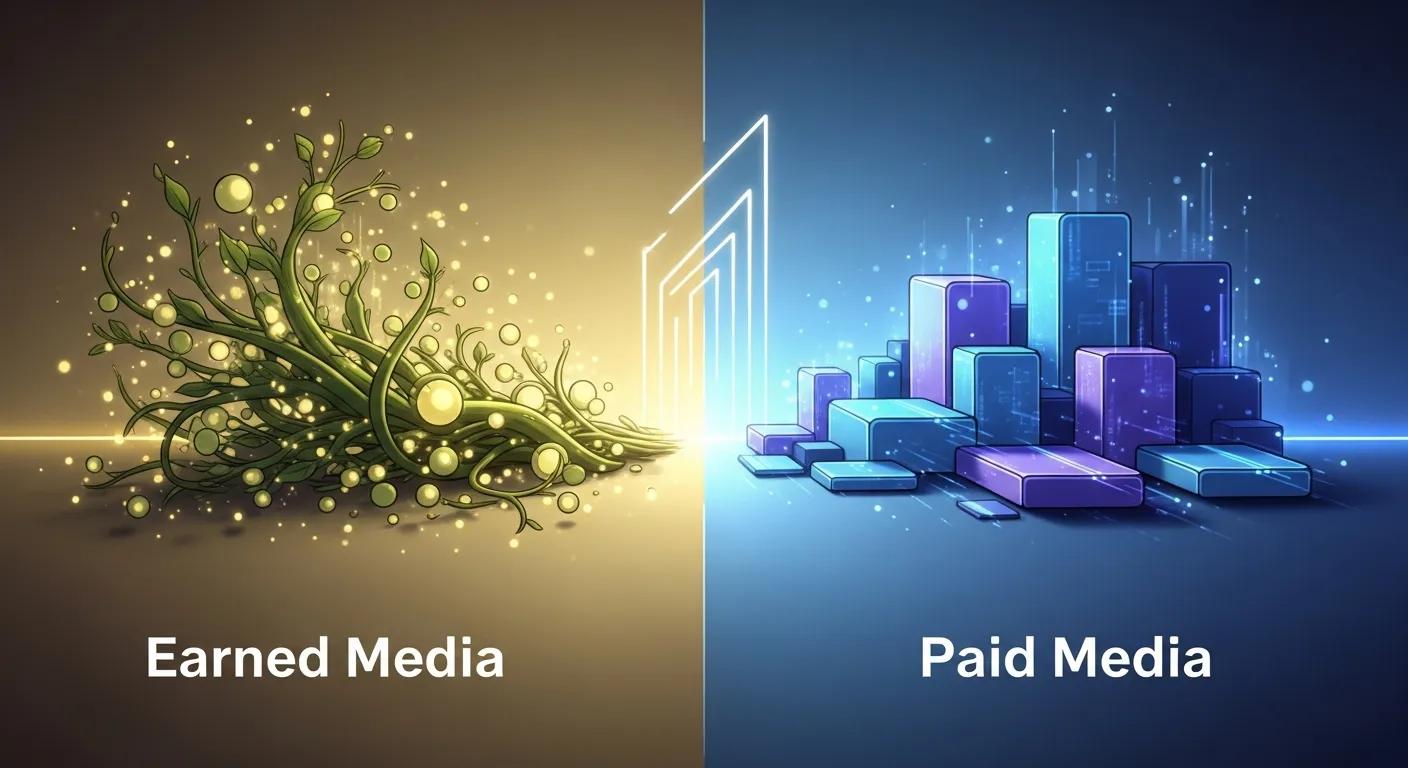
Earned Media vs. Paid Media: Which is Right for You?
Earned vs. Paid Media: Elevate Your Brand
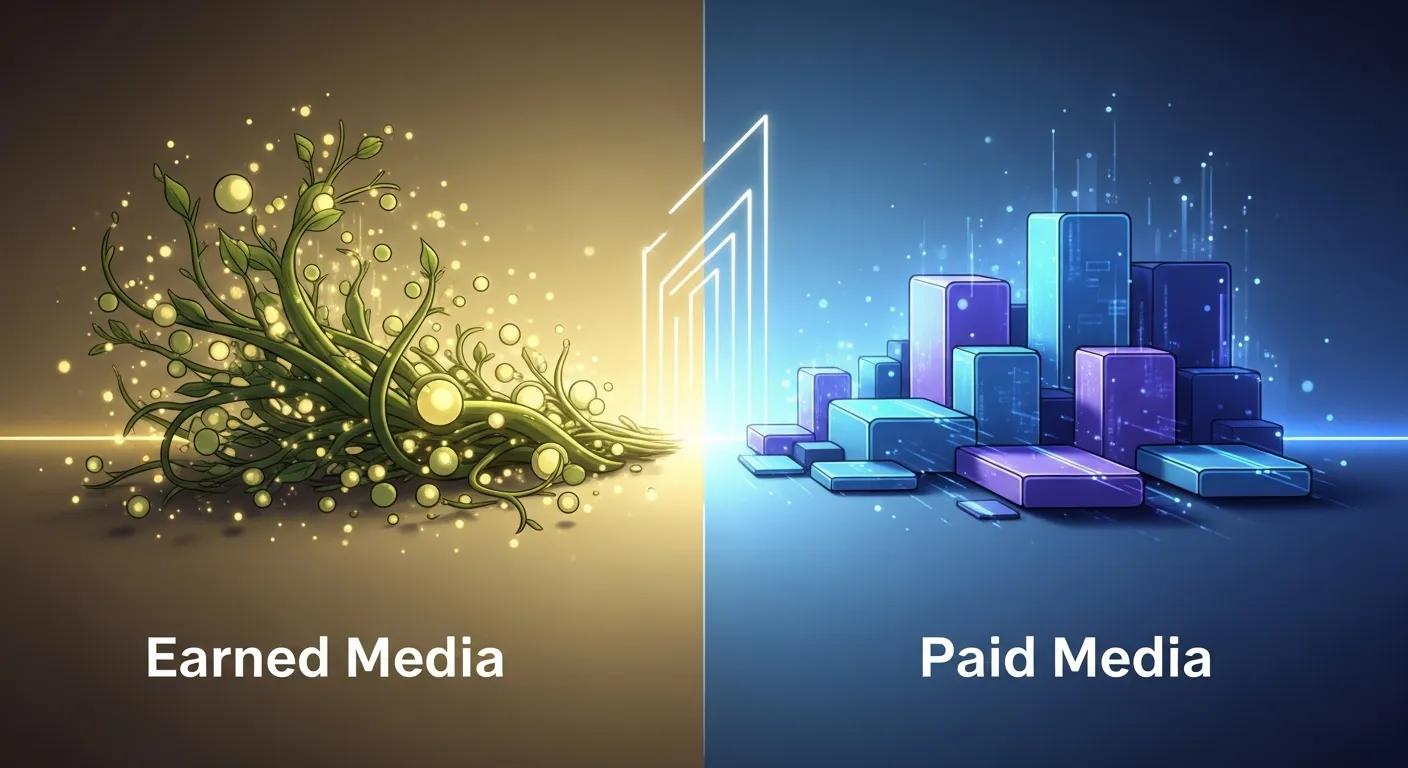
In the competitive landscape of marketing, understanding the distinction between earned media and paid media is crucial for brands aiming to enhance their visibility and credibility. This article delves into the definitions, benefits, and challenges of both strategies, providing insights into which approach may be best suited for your brand's goals. Earned media, often seen as more authentic, relies on organic exposure through public relations efforts, while paid media offers control and immediacy through advertising. As brands navigate these options, they must consider their long-term objectives and the trust they wish to build with their audience. We will explore the mechanisms behind earned media, the characteristics of paid media, and how integrating both can maximize your media strategy.
What Is Earned Media and How Does Broadcast PR Amplify Its Impact?
Earned media refers to publicity gained through promotional efforts other than paid advertising, often resulting from public relations activities. This type of media is typically seen as more credible because it is not directly paid for, allowing brands to build trust and authenticity with their audience. Broadcast PR plays a significant role in amplifying the impact of earned media by securing placements on national, local, and streaming TV platforms, which can significantly elevate a brand's visibility.
How Does Earned Media Build Trust and Authenticity for High-Profile Brands?
Earned media builds trust and authenticity for high-profile brands by providing third-party validation. When a brand is featured in news segments or talk shows, it is perceived as more credible than if it were to pay for the same exposure. This organic visibility fosters a sense of reliability among consumers, as they view the coverage as an endorsement rather than a marketing ploy. High-profile brands that leverage earned media often see increased engagement and loyalty from their audience, as the authenticity of the message resonates more deeply.
What Role Does Broadcast PR Play in Securing Authentic TV Exposure?
Broadcast PR is instrumental in securing authentic TV exposure for brands. By crafting compelling narratives and pitching them to media outlets, PR professionals can facilitate coverage that aligns with the brand's values and messaging. This process not only enhances the brand's visibility but also ensures that the exposure is framed in a positive light, further solidifying the brand's reputation. The strategic placement of stories on television can lead to significant audience reach, making broadcast PR a powerful tool in the earned media arsenal.
What Defines Paid Media and What Are Its Key Benefits and Challenges?
Paid media encompasses any form of advertising that requires payment to secure placement, including television commercials, online ads, and sponsored content. The primary benefit of paid media is the control it offers; brands can dictate the message, timing, and audience targeting. However, this control comes with challenges, such as potential skepticism from consumers who may view paid advertisements as less trustworthy compared to earned media.
How Does Paid Media Offer Control and Speed in Media Marketing?
Paid media provides brands with unparalleled control over their marketing messages. Advertisers can tailor their content to specific demographics, ensuring that the right audience sees their message at the right time. Additionally, the speed of execution in paid media campaigns allows brands to respond quickly to market trends or events, making it a valuable tool for time-sensitive promotions. This immediacy can be crucial in competitive markets where timing can significantly impact a campaign's success.
What Are the Common Drawbacks of Paid Media in Brand Credibility?
Despite its advantages, paid media can pose challenges to brand credibility. Consumers often perceive paid advertisements as less authentic, which can lead to skepticism about the brand's intentions. Furthermore, the cost associated with paid media can be substantial, and if the campaign does not yield the expected return on investment, it can lead to financial strain. Brands must carefully consider these drawbacks when integrating paid media into their overall marketing strategy.
How Do Earned Media and Paid Media Differ in Cost, Control, Credibility, and ROI?
The differences between earned media and paid media can be stark, particularly in terms of cost, control, credibility, and return on investment (ROI). Understanding these distinctions is essential for brands as they strategize their marketing efforts.
| Media Type | Cost | Control | Credibility | ROI |
|---|---|---|---|---|
| Earned Media | Low (primarily time and effort) | Limited | High (third-party validation) | Variable (depends on exposure) |
| Paid Media | High (advertising costs) | High | Moderate (perceived as less authentic) | More predictable (based on spend) |
What Are the Strategic Implications of Choosing Earned vs. Paid Media?
Choosing between earned and paid media involves strategic implications that can affect a brand's long-term success. Brands that prioritize earned media may cultivate deeper relationships with their audience, fostering loyalty and trust over time. In contrast, those that lean heavily on paid media may achieve short-term visibility but risk alienating consumers who value authenticity. A balanced approach that incorporates both strategies can help brands navigate these challenges effectively.
How Can High-Profile Brands Balance Short-Term and Long-Term Media Goals?
High-profile brands can balance short-term and long-term media goals by integrating both earned and paid media strategies. For instance, a brand might launch a paid advertising campaign to generate immediate awareness while simultaneously working on securing earned media placements to build credibility. This dual approach allows brands to capitalize on the strengths of each media type, ensuring they meet both immediate objectives and long-term brand-building goals.
Why Does TenXPR Prioritize Earned Broadcast PR for Elevating Brand Credibility?
TenXPR, a specialized broadcast PR agency, prioritizes earned media placements to enhance brand credibility for its clients. By focusing on authentic, non-sponsored television exposure, TenXPR helps brands build trust with their audience, leading to increased consultation bookings. The agency's commitment to avoiding paid TV segments underscores its belief that earned media fosters greater long-term impact.
How Does TenXPR’s Approach Avoid Paid TV Segments to Maximize Trust?
TenXPR's approach to media relations emphasizes the importance of authenticity in brand messaging. By steering clear of paid TV segments, the agency ensures that the exposure clients receive is perceived as genuine and trustworthy. This strategy not only enhances the brand's reputation but also aligns with consumer expectations for transparency in marketing.
What Client Success Stories Demonstrate the Power of Earned TV Media?
TenXPR has successfully secured numerous earned media placements for high-profile clients, showcasing the power of broadcast PR. For example, a recent campaign for a luxury brand resulted in significant media coverage that elevated the brand's visibility and credibility, leading to a marked increase in consultation requests. These success stories illustrate how effective earned media strategies can drive tangible results for brands.
How Can Integrating Earned and Paid Media Through the PESO Model Maximize Your Media Strategy?
The PESO model—Paid, Earned, Shared, and Owned media—provides a comprehensive framework for brands to integrate various media strategies effectively. By leveraging the strengths of each media type, brands can create a cohesive marketing strategy that maximizes their reach and impact.
What Is the PESO Model and How Does It Enhance Media Marketing?
The PESO model enhances media marketing by encouraging brands to utilize a mix of paid, earned, shared, and owned media. This holistic approach allows brands to create a more robust presence across multiple channels, ensuring that their messaging resonates with diverse audiences. By integrating these media types, brands can amplify their marketing efforts and achieve greater visibility.
How Does Paid Media Complement Earned Media in Amplifying Brand Exposure?
Paid media complements earned media by providing additional visibility and reach. For instance, a brand that secures earned media coverage can use paid advertising to promote that coverage further, driving traffic to their website or social media channels. This synergy between paid and earned media can significantly enhance brand exposure and engagement, creating a more comprehensive marketing strategy.
What Are Frequently Asked Questions About Earned Media, Paid Media, and Broadcast PR?
What Is the Difference Between PR and Advertising in Media Strategy?
Public relations (PR) focuses on building relationships and managing a brand's reputation through earned media, while advertising involves paid placements to promote products or services. PR aims to create authentic connections with audiences, whereas advertising seeks to drive immediate sales through targeted messaging.
Can Paid Media Be Used to Amplify Earned Media Effectively?
Yes, paid media can effectively amplify earned media by promoting the coverage received through PR efforts. Brands can use paid advertising to highlight their earned media placements, driving traffic and engagement while reinforcing their credibility through third-party validation.

At TENXPR, our mission is to
execute all of our available
resources, knowledge, expertise,
and team collaboration to create
a powerful story and visibility for
your brand.
Links


