
How TenXPR Made the
Fearless Fund a Household
Name
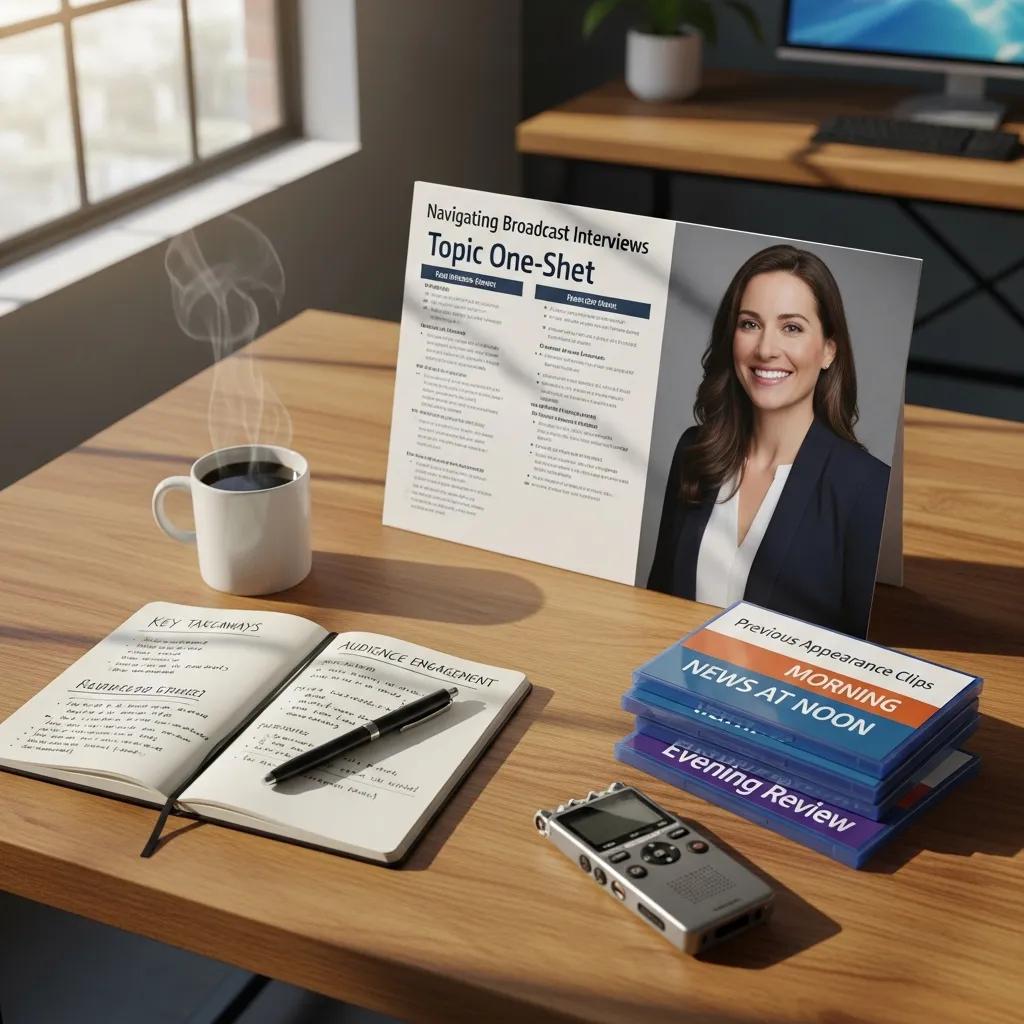
Creating an Effective Media Kit for Broadcast PR
Creating an Effective Media Kit for Broadcast PR: A Results-Driven Strategy for Media Exposure

An effective media kit is essential for professionals seeking to enhance their visibility in the broadcast media landscape. A well-crafted media kit not only showcases a client's expertise but also serves as a powerful tool for gaining media exposure. This article will guide you through the essential components of a media kit, strategies for achieving media exposure, and best practices for maximizing results. By understanding how to create and utilize a media kit effectively, you can address common challenges faced by individuals and organizations in securing media coverage. We will explore the key elements of a media kit, how to showcase client expertise, and the importance of PR asset management in optimizing outreach efforts.
Media Kit Essentials
A media kit is a comprehensive package that provides journalists and media outlets with essential information about a client or organization. The key components of a media kit include:
- Professional Headshot and Bio: A high-quality image and a concise biography that highlights the client's expertise and background.
- Topic One-Sheet: A summary of key talking points and visuals related to the topics the client can discuss.
- Previous Appearance Clips: Links or clips demonstrating the client's on-camera experience and comfort.
- Contact Information: Clear details on how to reach the client or their PR representative, including availability for interviews.
These elements work together to create a compelling narrative that can attract media interest and facilitate coverage.
| Media Kit Component | Description | Importance |
|---|---|---|
| Professional Headshot and Bio | High-quality image and concise biography | Establishes authority and credibility |
| Topic One-Sheet | Summary of key talking points | Highlights relevance and expertise |
| Previous Appearance Clips | Links or clips of past media appearances | Reassures producers of on-camera experience |
| Contact Information | Details for reaching the client | Ensures easy communication for interviews |
This table illustrates how each component contributes to the overall effectiveness of a media kit, ensuring that journalists have all the necessary information to cover the client effectively.
Strategies for Achieving Media Exposure

To enhance media exposure, it is crucial to implement effective strategies that resonate with journalists and media outlets. Here are some key strategies:
- Build Relationships with Media: Establishing connections with journalists can lead to more opportunities for coverage.
- Create Newsworthy Pitches: Crafting compelling story angles that align with current trends can capture media interest.
- Utilize Social Media: Engaging with audiences on social platforms can amplify the reach of media messages.
- Publish Guest Articles: Contributing articles to relevant publications can position the client as a thought leader in their field.
These strategies not only increase visibility but also foster long-term relationships with media professionals.
Further insights into effective public relations techniques, particularly for broadcast media, highlight the importance of strategic engagement.
Public Relations Techniques for Broadcast Media Campaigns
Part 4 considers particular techniques in public relations campaigns. This section concludes with an interview with Richard Quest of CNN, focusing particularly on broadcast media.
Public Relations: Contemporary issues and techniques, P Baines, 2004
Best Practices for Maximizing Results

Maximizing the effectiveness of a media kit involves adhering to best practices that ensure its successful use. Consider the following:
- Media Training: Preparing clients for interviews can enhance their confidence and presentation skills.
- Crisis Communication: Having a plan in place for potential crises can protect the client's reputation.
- Measure PR Success: Tracking media coverage and engagement metrics helps assess the effectiveness of PR efforts.
- Engage with Online Communities: Participating in relevant discussions can increase visibility and credibility.
By implementing these best practices, clients can significantly improve their chances of achieving desired media exposure.
How Do Media Kit Elements Showcase Client Expertise?
The components of a media kit are designed to effectively showcase a client's expertise. For instance, a professional headshot and bio establish authority, while a topic one-sheet highlights the relevance of the client's insights. Previous appearance clips serve to reassure producers of the client's on-camera experience, making them more likely to feature the client in their programming.
How Can PR Asset Management Optimize Broadcast Media Outreach?
Effective PR asset management is crucial for optimizing outreach efforts in broadcast media. This involves creating a comprehensive media kit that includes all necessary elements, utilizing visual content to enhance appeal, and building a robust media contact list. By organizing assets effectively, clients can streamline their outreach efforts and improve their chances of securing media coverage.
What Types of PR Assets Enhance Broadcast PR Campaigns?
Several types of PR assets can significantly enhance the effectiveness of broadcast PR campaigns:
- Compelling Pitches: Well-crafted pitches that tell a story can capture the attention of journalists.
- High-Quality TV Appearances: Demonstrating on-camera skills through previous appearances can build credibility.
- Cross-Platform Promotion: Utilizing various media channels can broaden the reach of PR messages.
These assets work together to create a cohesive and impactful PR campaign.
How Does Effective Asset Organization Improve Media Conversion?
Organizing PR assets effectively can lead to improved media conversion rates. Developing a comprehensive TV press kit that includes tailored media training and targeted outreach strategies ensures that journalists have all the information they need to cover the client. This organization not only facilitates easier access to information but also enhances the overall professionalism of the media kit.
What Are Best Practices for Designing a Press Kit Tailored to Broadcast Media?
Designing an effective press kit for broadcast media requires attention to several best practices:
- Include Essential Elements: Ensure that all key components are present in the media kit.
- Maintain Clear Structure: A well-organized layout makes it easier for journalists to find information.
- Ensure Visual Appeal: Incorporating professional visuals can enhance the overall presentation of the media kit.
By following these best practices, clients can create press kits that stand out and effectively communicate their message.
How to Incorporate Branding and Visual Elements for Broadcast Appeal?
Incorporating branding and visual elements into a media kit is essential for creating a strong impression. Using professional visuals, dynamic graphics, and maintaining consistent branding throughout the media kit can significantly enhance its appeal. This visual coherence not only attracts attention but also reinforces the client's brand identity.
Which Design Tips Ensure Clarity and Professionalism in Press Kits?
To ensure clarity and professionalism in press kits, consider the following design tips:
- Consistent Branding: Use a uniform color scheme and logo placement throughout the kit.
- Clear Layout: Organize information logically to facilitate easy navigation.
- Visual Elements: Incorporate images and graphics that complement the text and enhance understanding.
These design elements contribute to a polished and professional media kit that effectively communicates the client's message.
How Should Media Kits Be Distributed and Followed Up for Broadcast PR Success?
Distributing media kits effectively is crucial for achieving broadcast PR success. Researching media outlets to identify the right contacts, crafting a compelling media kit, and personalizing outreach efforts can significantly improve the chances of coverage. Following up with journalists after distribution is also essential to maintain engagement and address any questions they may have.
What Are Effective Strategies for Media Kit Distribution to Broadcast Outlets?
To maximize the impact of media kit distribution, consider these effective strategies:
- Utilize Multiple Channels: Distributing media kits through email, social media, and direct outreach can increase visibility.
- Follow Up Persistently: Regular follow-ups can keep the client top-of-mind for journalists.
- Leverage Visual Content: Including engaging visuals in media kits can capture attention and enhance interest.
These strategies ensure that media kits reach the right audience and have the desired impact.
How to Measure and Enhance Media Kit Engagement and Results?
Measuring the effectiveness of a media kit involves tracking audience engagement and monitoring brand mentions. Calculating overall ROI from media coverage can provide insights into the success of PR efforts. By analyzing these metrics, clients can identify areas for improvement and enhance their media kit strategies for future campaigns.

At TENXPR, our mission is to
execute all of our available
resources, knowledge, expertise,
and team collaboration to create
a powerful story and visibility for
your brand.
Links


